Water leakage inside a building can leave more than a damp patch on the wall. Over time, moisture can cause paint to peel, plaster to loosen, stains to appear, and unpleasant odours to develop. If the source of the leakage is not addressed properly, simply repainting the affected area will only provide a temporary solution. The wall may look fresh for a few weeks, but the same problem can return.
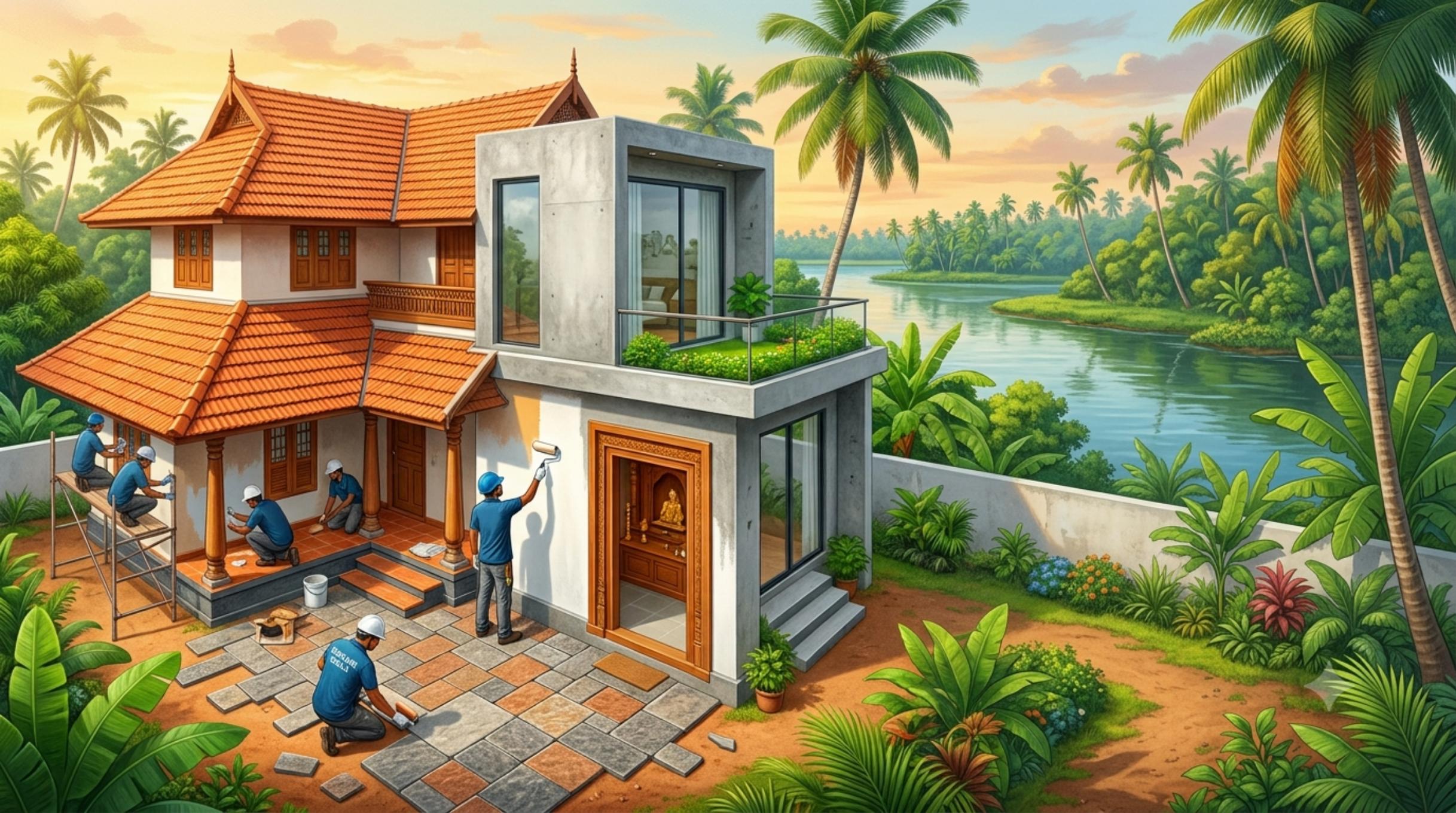
For homeowners and property managers, identifying the source of moisture and repairing the damaged surface in the right order is essential. Totalcare360 provides practical solutions for wall repair, waterproofing, painting, and renovation, helping restore both the appearance and condition of interior spaces.
Water-related wall damage does not always appear as a major leak. In many cases, the first signs are small and easy to ignore.
Common indicators include:
A small stain should not automatically be treated as a painting problem. It may indicate moisture entering through an external wall, plumbing leakage, bathroom seepage, terrace problems, or gaps around windows.
The first stage of repairing a damaged wall is locating the source of moisture. Painting over a wet wall is similar to putting a new cover on a leaking container. The appearance may improve temporarily, but the underlying issue remains.
Depending on the location, the leakage may come from:
Plumbing Problems
Leaking water supply pipes, drainage lines, or concealed plumbing can gradually saturate the wall. Plumbing should be inspected before any surface repair begins.
External Wall Seepage
Rainwater can enter through cracks, damaged exterior finishes, poorly sealed joints, or openings around windows. Proper external protection may be required to prevent recurring moisture.
Bathroom or Kitchen Leakage
Walls adjoining bathrooms, kitchens, and utility areas can develop dampness when waterproofing layers or plumbing connections fail.
Roof and Terrace Issues
Water entering from an upper floor, roof, or terrace can travel through walls and appear far away from the original leakage point. This is why treating only the visible stain may not solve the problem.
Professional Waterproofing Services Trivandrum can help identify suitable waterproofing measures based on the actual source and location of moisture.
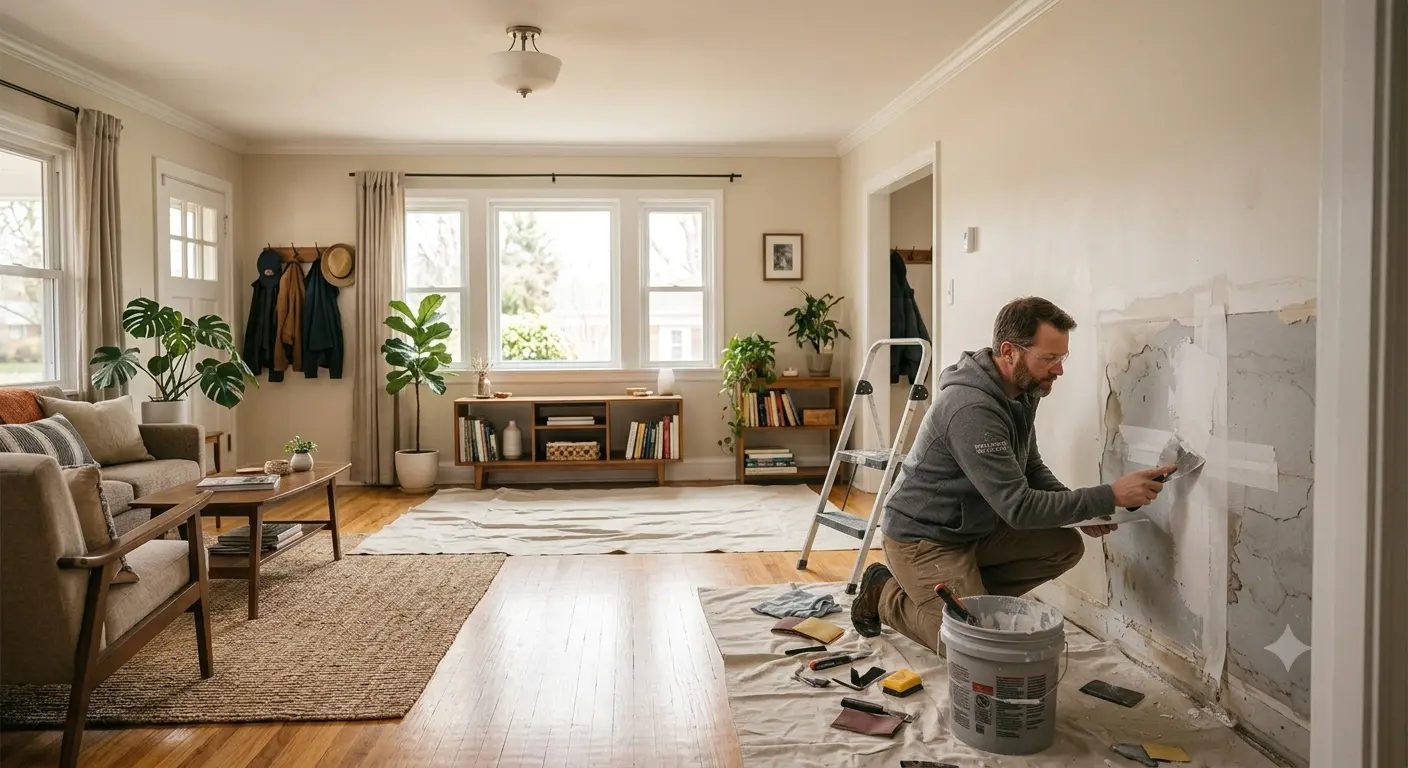
Once the leakage has been controlled, the damaged wall needs time to dry. Loose paint, weak plaster, and affected surface material should be removed carefully.
The repair process generally includes:
The wall should not be sealed or painted while significant moisture remains. Trapping moisture beneath a new coating can lead to bubbling, peeling, and staining later.
After the wall has dried, visible cracks and damaged plaster can be repaired. The type of repair depends on the severity of the damage.
Minor surface cracks may require suitable crack-filling material, while deeper or loose plaster may need to be removed and replaced. Uneven areas should also be levelled before applying primer and paint.
For property owners planning broader Interior Wall Damage Repair Trivandrum, it is useful to inspect nearby walls as well. Moisture can spread through adjoining surfaces, particularly when leakage has continued for a long period.
Repairing the visible damage is only one part of the process. If the wall remains exposed to moisture, the problem can return.
Wall Waterproofing Trivandrum solutions may be considered for walls affected by external seepage, recurring dampness, or other moisture-related issues. The appropriate method depends on the wall construction, source of water, location of the damage, and severity of the leakage.
A proper waterproofing approach can help:
Waterproofing should be treated as a preventive measure as well as a repair solution. It is generally more practical to address the cause before investing in a new interior finish.
Once repairs and waterproofing work are complete and the surface is sufficiently dry, the wall can be prepared for painting.
The finishing process may involve applying primer, putty where required, sanding, and suitable paint coats. Paint selection should consider the location and environmental conditions of the wall.
If several walls have been affected or the repair is part of a larger property upgrade, it may be practical to combine the work with Home Renovation Trivandrum services. This can help coordinate wall repairs, painting, waterproofing, and other improvement work instead of handling every task separately.
Some common shortcuts can make wall damage worse or cause the same problem to return.
Painting Directly Over Dampness
Fresh paint cannot permanently hide active moisture. The stain may reappear and the coating may start peeling.
Ignoring the Original Leakage
Repairing the wall without addressing the water source leaves the actual problem unresolved.
Covering Mould Without Treatment
Simply painting over mould does not remove the underlying issue. The affected area should be properly cleaned and the moisture problem addressed.
Repairing Only the Visible Patch
Moisture can travel beyond the area that looks damaged. A wider inspection may be necessary before deciding the repair scope.
Using the Wrong Waterproofing Method
Different leakage sources require different approaches. A method suitable for a terrace may not be appropriate for an interior wall.
Minor wall marks can sometimes be managed through basic maintenance, but professional attention is advisable when there is persistent dampness, recurring leakage, peeling paint, loose plaster, mould growth, or deep cracks. These signs may indicate that moisture is entering the wall and that simply repainting the surface will not solve the underlying problem.
Totalcare360 provides coordinated solutions for wall repair, waterproofing, painting, and renovation based on the condition of the property. A proper inspection helps identify the source of moisture and determine the appropriate repair method. This approach focuses on resolving the cause rather than temporarily covering visible damage.
For recurring moisture problems, professional Waterproofing Services Trivandrum can help protect vulnerable areas and reduce further water penetration. Where leakage has already affected the interior surface, Interior Wall Damage Repair Trivandrum can help restore damaged plaster, cracks, and finishes as part of the overall repair process.
It brings waterproofing, wall repair, painting, and renovation services together, making property maintenance easier to manage. Addressing water damage at the right stage can help prevent repeated repairs, protect interior surfaces, and maintain the appearance of the property for longer. After all, walls are meant to keep water out, not quietly collect it behind the paint.
Your trusted partner for complete property care, delivering reliable maintenance, renovation, cleaning, and protection services to keep your spaces safe, functional, and well-maintained.
© Total Care. All Rights Reserved | Developed by Trivlogic Private Limited